

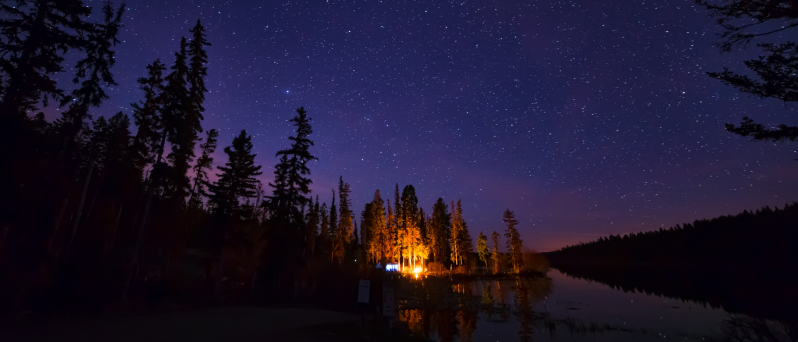
Workamping has become one of the most quietly transformative lifestyle movements in the United States. What started as a niche option for retirees looking to stretch their travel budget has evolved into a full‑blown culture — a blend of nomadism, seasonal work, community living, and the pursuit of a life that feels more meaningful than the traditional 9‑to‑5 grind. Today, workampers come from every background imaginable: young couples, digital nomads, families homeschooling on the road, mid‑career professionals burned out from corporate life, and yes, plenty of retirees who traded lawn care and property taxes for sunsets and campfires.
But beneath the surface of “free site + a few hours of work,” there’s a much bigger story. Workamping is not just a job. It’s not just a lifestyle. It’s a re‑imagining of what it means to work, live, and belong in a world that’s changing faster than ever.
This chapter explores the deeper side of workamping — the motivations, the realities, the opportunities, the challenges, and the future of the movement. Whether someone is brand new to the idea or already living full‑time in their rig, this is the kind of perspective that helps them understand the bigger picture.
Why People Choose Workamping: The Pull Toward Freedom
Most people don’t wake up one day and say, “I want to clean fire pits for a free campsite.” They wake up and say, “I want my life back.”
Workamping is a doorway — a way to step out of the pressure cooker of modern life and into something slower, simpler, and more human. The motivations vary, but they tend to fall into a few big categories.
1. Freedom from the Traditional Work Model
The old model — work 40 years, retire, then travel — doesn’t fit everyone anymore. People want to live now, not later. Workamping offers:
-
Flexible schedules
-
Seasonal commitments instead of year‑round obligations
-
The ability to choose where you live
-
The option to move on when a place no longer fits
It’s freedom with structure, which is exactly what many people crave.
2. Lower Cost of Living
Let’s be honest: the cost of everything has gone up. Housing, utilities, insurance — it adds up fast. Workamping flips the equation:
-
Free or discounted site
-
Utilities included
-
Fewer bills
-
Less “stuff” to maintain
For many, workamping is the difference between barely scraping by and actually having breathing room.
3. Community and Connection
RV parks are little micro‑towns. People sit outside. They talk. They share meals. They help each other. Workampers often say they’ve made deeper friendships on the road than they ever did in a neighborhood where everyone stayed behind closed doors.
4. Adventure and Exploration
Workamping lets people live in places others only visit:
-
National parks
-
Mountain towns
-
Beachfront RV resorts
-
Desert boondocking hubs
-
Lakeside campgrounds
-
Tourist destinations
You get to experience a place not as a tourist, but as a temporary local.
What Workamping Really Looks Like (The Honest Version)
Workamping is not a vacation. It’s not a fantasy. It’s real work — sometimes easy, sometimes hard, sometimes fun, sometimes frustrating. But it’s also deeply rewarding when you understand what you’re signing up for.
Here’s the real picture.
The Work
Workamping jobs fall into a few major categories:
-
Campground hosting
-
Front desk / reservations
-
Maintenance
-
Housekeeping
-
Activity coordination
-
Landscaping
-
Retail or store work
-
Gate guarding
-
Harvest work
-
Tourism and attractions
-
Event staffing
-
Hospitality roles
Some jobs are light and social. Others are physical and outdoors. Some require customer service skills. Others require mechanical ability. There’s something for almost every personality and skill set.
The Pay
This is where expectations matter.
Some parks offer:
-
A free site only
-
A site + hourly pay
-
Hourly pay only
-
Bonuses for staying the full season
-
Overtime during peak weeks
-
Tips (in certain roles)
The best deals usually come from:
-
Private RV resorts
-
High‑traffic tourist destinations
-
Parks with strong management
-
Parks that value long‑term workampers
The worst deals usually come from:
-
Parks that rely on desperate applicants
-
Owners who don’t understand the value of workampers
-
Places with high turnover and poor communication
The Lifestyle
Workamping is a rhythm:
-
Morning coffee outside
-
A few hours of work
-
Afternoons free
-
Evenings around the fire
-
Weekends exploring
-
New friends every season
It’s simple, but it’s rich.
The Challenges
Let’s keep it real:
-
Some parks are disorganized
-
Some managers are difficult
-
Some guests are rude
-
Weather can be brutal
-
RV repairs happen at the worst times
-
Income can be inconsistent
-
Moving too often can be exhausting
But for most workampers, the benefits outweigh the challenges.
The Skills That Make a Workamper Successful
Workamping isn’t about being perfect. It’s about being adaptable, friendly, and reliable. The best workampers share a few traits:
1. Flexibility
Schedules change. Weather changes. Guest needs change. The ability to roll with it is gold.
2. People Skills
Even maintenance roles involve interacting with guests. A smile goes a long way.
3. Problem‑Solving
RV parks are full of surprises:
-
A water line breaks
-
A guest can’t back in
-
A reservation gets mixed up
-
A storm knocks out power
Being calm and resourceful makes you invaluable.
4. Communication
Good workampers ask questions, clarify expectations, and keep managers informed.
5. Reliability
Show up. Do the work. Be consistent. That alone puts you in the top 20%.
How Workampers Find Jobs (and How Parks Find Them)
The workamping ecosystem has grown massively. Today, workampers find jobs through:
-
Facebook groups
-
Workamper News
-
CoolWorks
-
Seasonal job boards
-
RV park websites
-
Word of mouth
-
Returning to the same park each year
But the biggest shift is happening right now: technology is finally catching up to the lifestyle.
Apps like 5Star.Camp (your product) are modernizing communication between parks and staff, making it easier for workampers to:
-
Stay informed
-
Get schedules
-
Receive updates
-
Communicate with management
-
Handle tasks
-
Reduce confusion
The old days of sticky notes, walkie‑talkies, and “I thought you said…” are fading fast.
The Future of Workamping: Where the Movement Is Headed
Workamping is growing — fast. And the next decade will bring major changes.
1. More Younger Workampers
Remote workers, digital nomads, and families are joining the movement. Parks will adapt with:
-
Better Wi‑Fi
-
More flexible schedules
-
Hybrid roles
-
Family‑friendly work options
2. Higher Expectations
Workampers are becoming more selective. They want:
-
Fair compensation
-
Clear communication
-
Respectful management
-
Reasonable hours
-
Safe working conditions
Parks that don’t adapt will struggle to find staff.
3. Technology Integration
Apps, automation, and digital tools will streamline:
-
Scheduling
-
Task management
-
Guest communication
-
Maintenance tracking
-
Staff coordination
This is where companies like 6StarTech and 5Star.Camp are leading the charge.
4. More Professionalism
Workamping is no longer “free labor for a campsite.” It’s becoming a legitimate workforce with:
-
Standards
-
Expectations
-
Training
-
Repeat seasonal staff
-
Long‑term relationships
5. A Cultural Shift
People are redefining success. They want:
-
Time
-
Freedom
-
Experiences
-
Community
-
Purpose
Workamping delivers all of that.
Why Workamping Matters (More Than People Realize)
Workamping is more than a job. It’s more than a lifestyle. It’s a movement rooted in something deeply human:
-
The desire to explore
-
The desire to simplify
-
The desire to connect
-
The desire to live intentionally
In a world that feels increasingly fast, loud, and disconnected, workamping offers a different path — one where people can breathe, think, and live on their own terms.
It’s not perfect. It’s not always easy. But it’s real. And for thousands of people, it’s the first time in their lives they feel like they’re actually living.
Add comment
Comments